
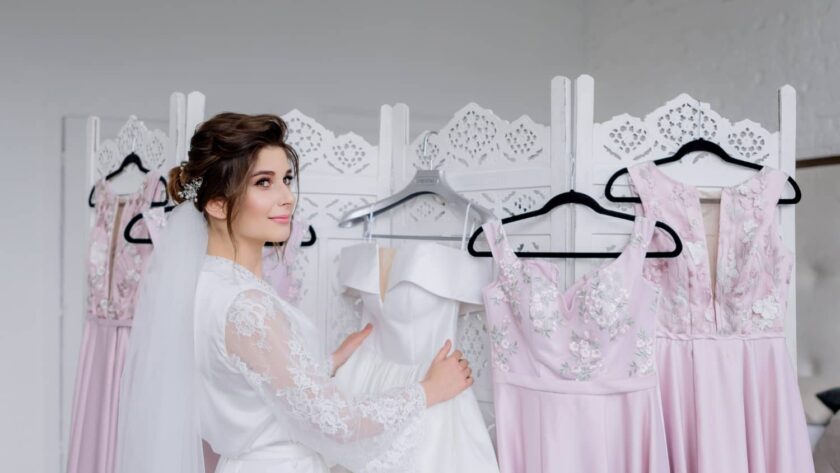
Choosing a wedding dress is one of the most exciting yet meaningful decisions you’ll make while planning your big day. I recommend approaching this process with a mix of practicality and emotion. While it’s easy to get influenced by trends, celebrity weddings, or social media inspiration, the right dress is the one that aligns with your comfort, personality, and the overall tone of your wedding.
Instead of rushing into fittings or purchasing the first gown you like, take some time to explore different styles and understand what truly resonates with you. Browsing curated collections like wedding gowns can give you a broader perspective on silhouettes, fabrics, and modern bridal trends, helping you make a more confident decision.
Start With Your Personal Style and Wedding Vision
Before stepping into a bridal store or browsing online collections, I strongly suggest defining your personal style. Think about the outfits you feel most confident in—do you prefer minimal and elegant looks, or do you enjoy bold, statement pieces? Your wedding dress should feel like an elevated version of your everyday aesthetic, not something completely out of character.
Equally important is the theme of your wedding. A beach ceremony calls for something light and flowy, while a formal indoor venue pairs better with structured and detailed designs. Matching your dress to the environment ensures visual harmony and enhances the overall experience.
Many brides make the mistake of choosing a dress that looks beautiful on its own but doesn’t align with the setting. I recommend visualizing the complete picture—venue, lighting, decor, and even the season—before finalizing your choice.
Also Read: Modern Bridalwear: Comfort & Confidence
Understand Different Silhouettes and What Works for You
A key recommendation is to familiarize yourself with different dress silhouettes. Each style creates a different effect and complements various body shapes in unique ways. Knowing these differences can save you time and help you narrow down your options more efficiently.
Here are some popular silhouettes to consider:
- A-line dresses: Flattering for almost all body types, offering a balanced and elegant look
- Ball gowns: Ideal for a dramatic, princess-style appearance, especially for grand venues
- Mermaid dresses: Perfect for highlighting curves and creating a bold, fitted silhouette
- Sheath dresses: Simple and modern, great for minimalist brides or casual weddings
I recommend trying at least two or three different styles, even if you think you already know what you want. Sometimes, a silhouette you didn’t initially consider ends up being the perfect choice.
Pay Attention to Fabric and Detailing
Fabric plays a crucial role in how your dress looks and feels. I suggest choosing materials based on both comfort and season. For example, chiffon and organza are lightweight and breathable, making them ideal for warm weather. On the other hand, satin and velvet provide structure and warmth, which works well for cooler climates.
Details like lace, embroidery, and beadwork can significantly impact the overall aesthetic of your dress. If you prefer a timeless look, subtle lace patterns and clean lines are a safe choice. For a more glamorous appearance, intricate embellishments can add depth and shine.
However, I recommend not overloading your dress with too many elements. A well-balanced design often looks more sophisticated than one that tries to incorporate every trend at once.
Prioritize Comfort Without Compromising Style
One of the most overlooked aspects of choosing a wedding dress is comfort. I strongly advise not sacrificing comfort for appearance. Remember, you’ll be walking, sitting, dancing, and possibly standing for extended periods.
Make sure the dress fits properly and allows natural movement. Pay attention to factors like weight, breathability, and how easy it is to manage throughout the day. If a dress looks stunning but feels restrictive, it may affect your overall experience.
It’s also helpful to test how the dress feels during different activities. Try sitting down, walking around, and even dancing a little during fittings. These small checks can prevent discomfort later on.
Set a Realistic Budget and Stick to It
Budgeting is an essential part of the decision-making process. I recommend setting a clear price range before you start shopping. This helps you avoid falling in love with dresses that are outside your budget.
Keep in mind that the cost of a wedding dress often includes more than just the gown itself. Alterations, accessories, and maintenance can add to the total expense. Planning for these additional costs ensures that you stay within your financial limits.
It’s also worth exploring different designers and collections to find options that offer both quality and value. A higher price doesn’t always guarantee a better fit or style, so focus on what truly meets your needs.
Don’t Rush the Decision-Making Process
Choosing a wedding dress is not something that should be rushed. I recommend giving yourself enough time to explore, try different options, and reflect on your choices. Making a quick decision under pressure can lead to regret later.
Bring along a small group of trusted people for feedback, but avoid involving too many opinions. Too many suggestions can create confusion and make it harder to decide.
Take photos during fittings (if allowed) and review them later. Sometimes, seeing the dress from a different perspective can help you make a clearer decision.
Add Personal Touches to Make It Unique
Your wedding dress should reflect your individuality. I suggest incorporating small, meaningful details that make your gown stand out. This could be a custom neckline, unique sleeves, or even subtle embroidery that holds personal significance.
Accessories also play a major role in completing your look. Veils, jewelry, and shoes should complement your dress rather than overpower it. Choosing the right combination enhances your overall appearance and creates a cohesive style.
Personalization doesn’t have to be dramatic. Even minor adjustments can make your dress feel more special and aligned with your vision.
Conclusion
Selecting the perfect wedding dress is a journey that requires thoughtful planning and self-awareness. I recommend focusing on what makes you feel confident and comfortable rather than trying to meet external expectations. A well-chosen dress will not only look beautiful but also allow you to fully enjoy every moment of your special day.
By understanding your style, considering practical factors, and taking your time, you can make a decision that feels right in every way. The goal is to find a dress that represents you—elegant, confident, and unforgettable.